
The Majestic Swiss Alps: A Comprehensive Guide to the Top Alpine Cities and Towns
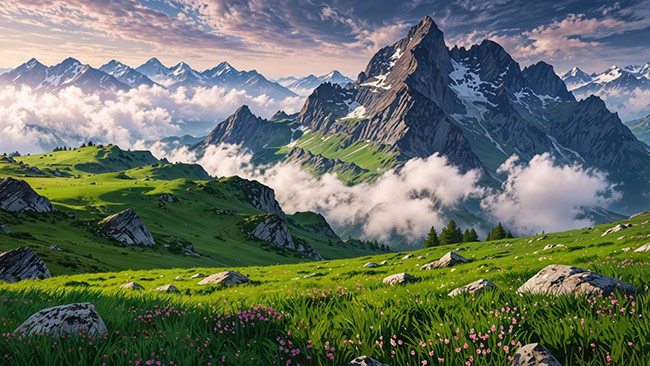
The Swiss Alps are more than just a mountain range; they are a global symbol of serenity, luxury, and untamed natural beauty. Stretching across the southern part of Switzerland, these peaks have inspired poets, challenged adventurers, and provided a sanctuary for those seeking peace for centuries.
For travelers planning a visit, the challenge often lies in choosing where to go. From car-free villages tucked under jagged peaks to sophisticated lakeside cities that serve as gateways to the clouds, each destination offers a unique flavor of Swiss culture. In this guide, we explore the premier cities and towns of the Swiss Alps, covering their history, attractions, and why they deserve a spot on your bucket list.
Lucerne: The Medieval Gateway
Often referred to as the “heart of Switzerland,” Lucerne (Luzern) is the perfect starting point for any Alpine adventure. It bridges the gap between urban sophistication and rugged mountain wilderness.
The Landscape
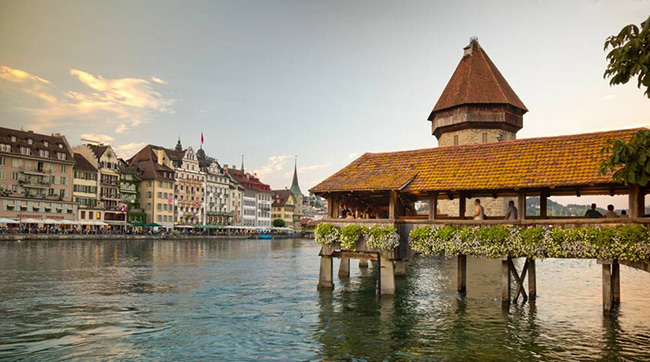
Lucerne sits on the shores of Lake Lucerne, with the Swiss Alps rising dramatically in the background. The city is framed by two legendary peaks: Mount Pilatus and Mount Rigi.
Key Attractions
- The Chapel Bridge (Kapellbrücke): This 14th-century wooden bridge is the city’s landmark. Walking across it feels like stepping back into the Middle Ages, especially with the interior paintings depicting Lucerne’s history.
- The Lion Monument: Described by Mark Twain as “the most mournful and moving piece of stone in the world,” this rock carving honors the Swiss Guards who died during the French Revolution.
- The Old Town (Altstadt): A car-free zone filled with frescoed buildings, fountains, and narrow cobblestone streets.
Mountain Excursions
From Lucerne, you can take the “Golden Round Trip” to Mount Pilatus, which involves a boat cruise, the world’s steepest cogwheel railway, and an aerial cableway.
Zermatt: The Alpine Icon
If you’ve ever looked at a Toblerone chocolate bar, you’ve seen the Matterhorn. Zermatt is the village that sits at the foot of this pyramid-shaped giant.
The Atmosphere
Zermatt is unique because it is entirely car-free. Travelers arrive by train and navigate the village via electric taxis or horse-drawn carriages. This keeps the air pristine and the atmosphere quiet, allowing the sound of the mountain breeze to take center stage.
Why Visit?
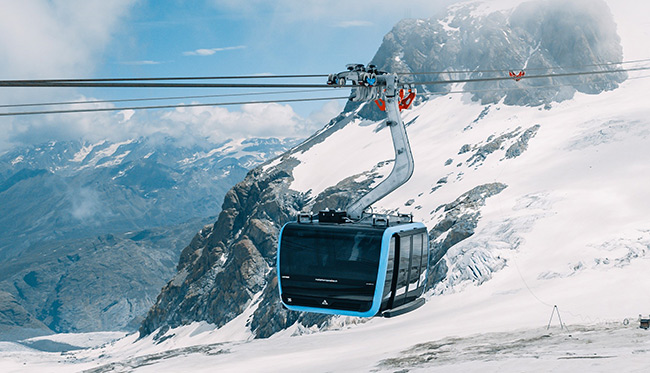
- World-Class Skiing: Zermatt offers year-round skiing on the Theodul Glacier. It is one of the few places on Earth where you can ski in the morning and sunbathe in the afternoon.
- The Gornergrat Railway: This open-air cogwheel train takes you to an altitude of 3,089 meters, providing an unobstructed view of the Matterhorn and the surrounding glaciers.
- Matterhorn Glacier Paradise: The highest cable car station in Europe, offering a 360-degree panorama of the Swiss, French, and Italian Alps.
Interlaken: The Adventure Capital
Interlaken is located on a flat plain between two turquoise lakes—Lake Thun and Lake Brienz. While the town itself is charming, its real value lies in its position as the gateway to the Jungfrau Region.
The Hub for Thrill-Seekers
Interlaken is world-renowned for adventure sports. On any given day, the sky is dotted with colorful paragliders.
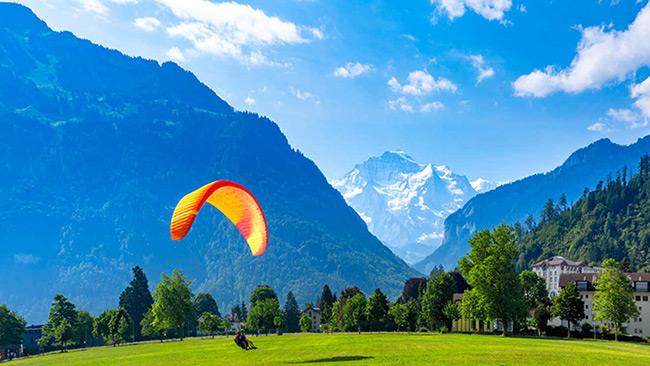
- Skydiving & Canyoning: For those seeking an adrenaline rush, the nearby gorges and cliffs offer some of the best canyoning and skydiving in Europe.
- Harder Kulm: A short funicular ride takes you to this viewpoint, offering a “top-down” look at Interlaken and the famous trio of peaks: Eiger, Mönch, and Jungfrau.
The Jungfraujoch
From Interlaken, most travelers take the train to Jungfraujoch, known as the “Top of Europe.” At 3,454 meters, it is home to the highest railway station in Europe, an ice palace, and a sphinx-shaped observation deck.
St. Moritz: The Pinnacle of Luxury
While other towns focus on hiking and nature, St. Moritz focuses on glamour, high fashion, and exclusivity. It has hosted the Winter Olympics twice and remains a playground for the global elite.
The “Champagne Climate”
St. Moritz is famous for its “champagne climate”—dry, sparkling air and over 300 days of sunshine a year.
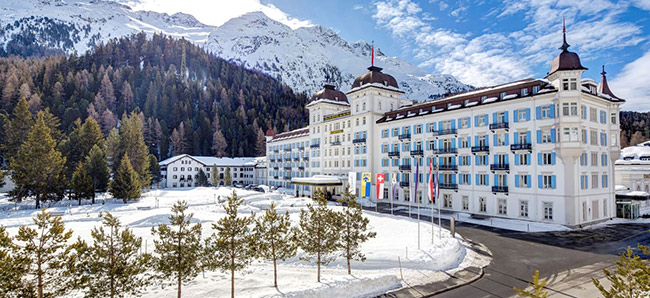
- Winter Sports: Beyond traditional skiing, St. Moritz is home to the Cresta Run (skeleton racing) and “White Turf,” a horse racing event held on the frozen Lake St. Moritz.
- Shopping and Wellness: The Via Serlas is the highest outdoor shopping street in the world, lined with Chanel, Gucci, and Prada. After shopping, the mineral springs of St. Moritz Bad offer world-class spa treatments.
Grindelwald: The Eiger Village
While Interlaken is the gateway, Grindelwald is the heart of the mountains. It is a classic “chocolate-box” village with wooden chalets scattered across green meadows, set against the terrifying North Face of the Eiger.
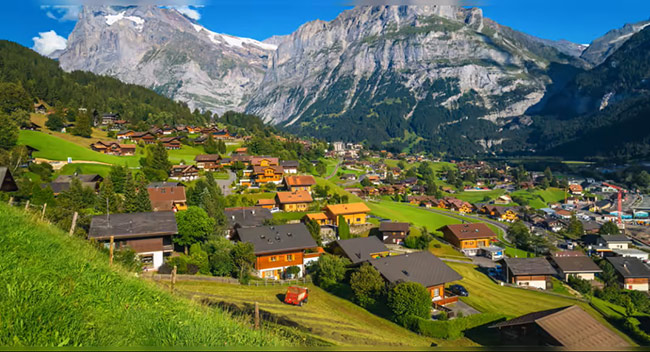
Nature at Your Doorstep
- First Cliff Walk by Tissot: A metal walkway clinging to the side of a cliff, offering dizzying views of the valley below.
- Hiking Trails: Grindelwald is the starting point for hundreds of miles of trails, ranging from easy walks to Lake Bachalpsee to grueling climbs for professional mountaineers.
Chur: The Historic Intersection
Chur is the oldest city in Switzerland, with a history spanning over 5,000 years. Unlike the resort towns, Chur is a working city with a deep cultural heritage.
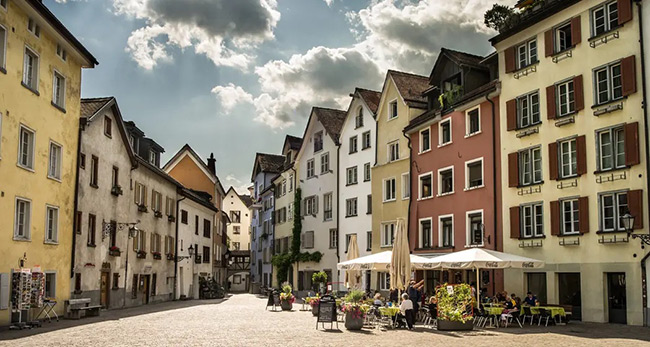
A Cultural Hub
- The Old Town: Chur’s old town is one of the best-preserved in the country, completely free of cars and filled with hidden courtyards.
- The Bernina Express: Chur is a major stop for the Bernina Express, a UNESCO World Heritage train route that winds through the Alps into Italy, crossing 196 bridges and 55 tunnels.
Lauterbrunnen: The Valley of 72 Waterfalls
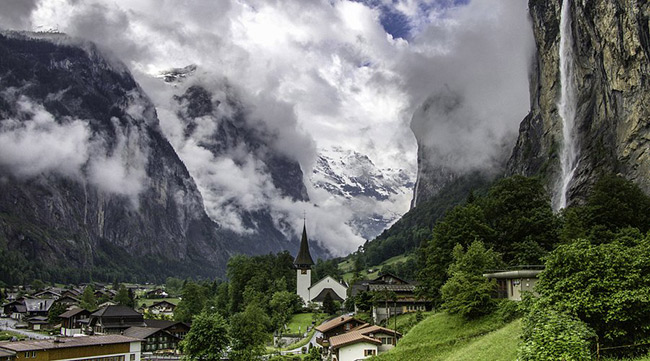
Though technically a village, no guide to the Swiss Alps is complete without Lauterbrunnen. It is situated in one of the deepest U-shaped valleys in the world.
A Fairytale Setting
- Staubbach Falls: A massive waterfall that plunges nearly 300 meters from a hanging cliff. It is visible from almost anywhere in the village.
- Trümmelbach Falls: These are ten glacial waterfalls inside the mountain, made accessible by a tunnel lift. It is a thunderous, powerful display of nature’s force.
Planning Your Trip: Practical Information
When to Visit
- Winter (December to March): Ideal for skiing, snowboarding, and Christmas markets.
- Summer (June to September): Perfect for hiking, paragliding, and seeing the lakes at their most vibrant blue.
- Shoulder Season (April-May & October-November): Fewer tourists and lower prices, but some cable cars may be closed for maintenance.
Transport: The Swiss Travel Pass
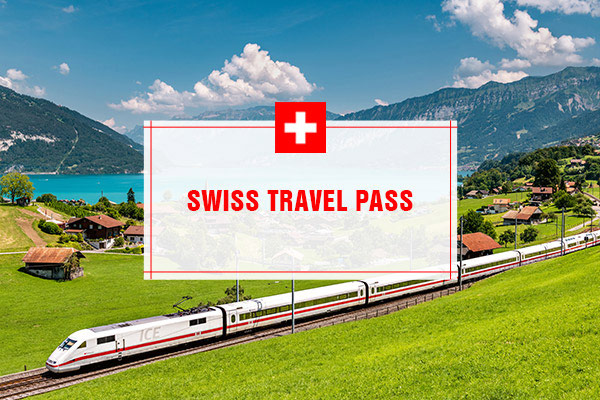
Switzerland has arguably the best public transport system in the world. The Swiss Travel Pass is highly recommended. It covers unlimited travel by train, bus, and boat, and provides free entry to over 500 museums.
Connectivity
English is widely spoken in all major tourist hubs, though the primary languages in the Alpine regions are German, French, and Italian (depending on the canton).
The Swiss Alps offer a rare combination of accessibility and wild, rugged beauty. Whether you are looking for the high-octane adventure of Interlaken, the quiet, car-free charm of Zermatt, or the historical depth of Lucerne, there is a city in the clouds waiting for you.
Switzerland is not just a destination; it is an experience that stays with you long after you’ve descended from the peaks. The crisp air, the sound of cowbells in the meadows, and the sight of the sun hitting a glacier are memories that define the “Swiss Dream.”
Reference
Official Tourism Board: The primary source for all Swiss travel data.
Adventure/Regional Info: For specific details on Jungfraujoch and Grindelwald.
Transport & Logistics: For information on the Swiss Travel Pass and panoramic trains.
Cultural & Historic Data: For details on the Bernina Express and the Old Town of Bern.

