

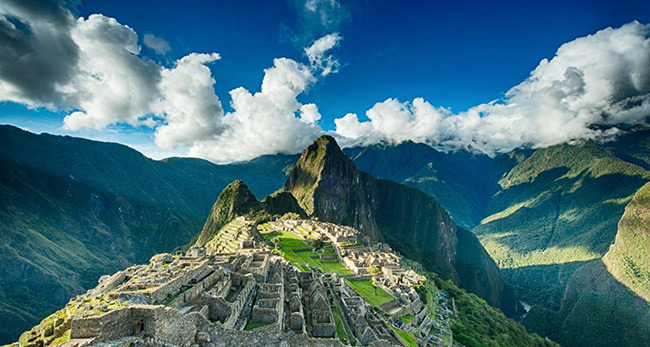
Machu Picchu: The Lost City Above the Clouds
Machu Picchu is one of the most iconic archaeological sites in the world and a powerful symbol of the Inca civilization. Perched high in the Andes Mountains of Peru, this ancient city fascinates historians, archaeologists, travelers, and mystery-seekers alike. Often referred to as the “Lost City of the Incas,” Machu Picchu represents extraordinary engineering skill, spiritual depth, and harmony with nature.
Despite being built in the 15th century, it remained hidden from the outside world for centuries, untouched by Spanish conquistadors, and today stands as a UNESCO World Heritage Site and one of the New Seven Wonders of the World.
Geographical Location and Natural Setting
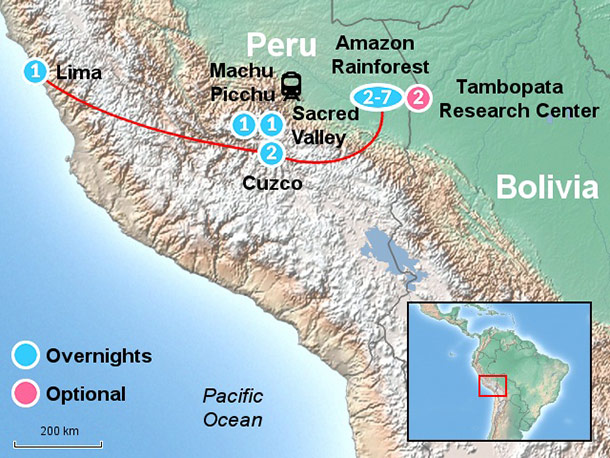
Machu Picchu is located in southern Peru, about 80 kilometers (50 miles) northwest of Cusco, the former capital of the Inca Empire. It sits at an elevation of approximately 2,430 meters (7,970 feet) above sea level, on a narrow mountain ridge between two peaks—Machu Picchu (“Old Peak”) and Huayna Picchu (“Young Peak”).
Surrounded by dense cloud forests and the winding Urubamba River below, the site is strategically positioned yet visually concealed. This dramatic natural setting not only provided protection but also reinforced the Inca belief in sacred landscapes, where mountains (apus), rivers, and the sky were deeply connected to spiritual life.
Historical Background
Construction and Inca Origins
Machu Picchu was built in the mid-15th century during the reign of the Inca emperor Pachacuti Inca Yupanqui, one of the greatest rulers of the empire. The Incas did not use written language, so much of what we know comes from archaeological evidence and oral traditions.
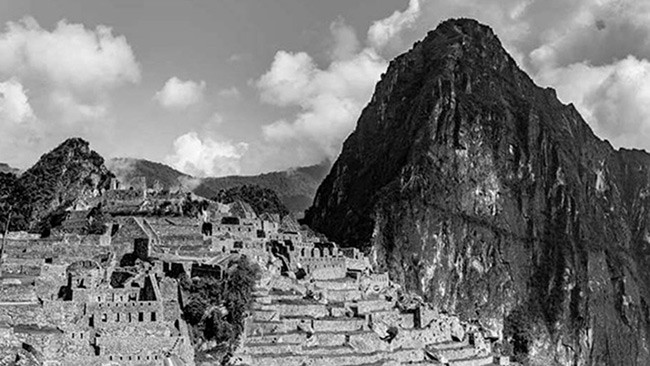
Historians believe Machu Picchu served as a royal estate, ceremonial center, or religious retreat rather than a large urban settlement. It likely housed nobility, priests, astronomers, and skilled artisans.
Abandonment
Around the mid-16th century, Machu Picchu was abandoned, possibly due to the Spanish conquest, internal political turmoil, or disease such as smallpox introduced by Europeans. Interestingly, the Spanish never discovered Machu Picchu, which allowed it to remain remarkably well preserved.
Rediscovery in the Modern Era
Machu Picchu remained largely unknown to the outside world until 1911, when American historian and explorer Hiram Bingham was led to the site by local farmers while searching for the last Inca stronghold.
Although local indigenous communities were aware of the ruins, Bingham’s expedition brought Machu Picchu to international attention. His discoveries sparked global fascination and transformed Machu Picchu into one of the most important archaeological sites on Earth.
Architectural Brilliance
Stone Construction Techniques
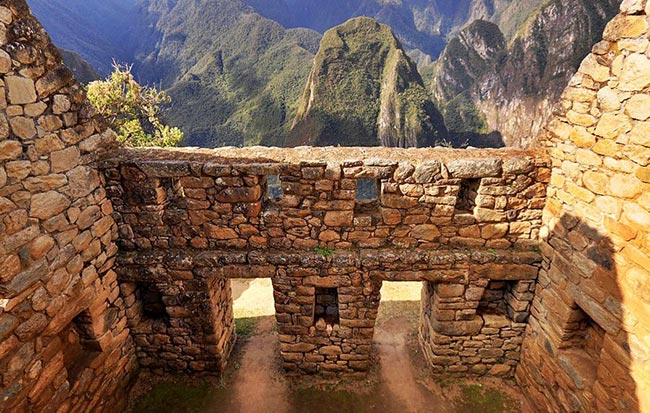
One of the most impressive aspects of Machu Picchu is its stonework. The Incas used ashlar masonry, cutting stones so precisely that they fit together without mortar. This technique made the structures extremely durable and earthquake-resistant.
Despite lacking iron tools, wheels, or written blueprints, the Incas achieved astonishing architectural accuracy.
Urban Planning
Machu Picchu is divided into two main sectors:
- Agricultural Sector – Featuring wide terraces used for farming and erosion control.
- Urban Sector – Containing residences, temples, plazas, and ceremonial structures.
The city includes over 200 buildings, interconnected by stairways, fountains, and pathways.
Key Structures of Machu Picchu
The Temple of the Sun
One of the most sacred buildings, the Temple of the Sun is believed to have been used for astronomical observations. During the winter solstice, sunlight passes perfectly through a window, illuminating a ceremonial stone.
Intihuatana Stone
Often called the “Hitching Post of the Sun,” the Intihuatana is a ritual stone associated with astronomy and solar worship. It demonstrates the Incas’ advanced understanding of celestial movements.
The Room of the Three Windows
This structure features three trapezoidal windows overlooking the Sacred Plaza. It is thought to symbolize Inca cosmology or the three realms of existence: the sky, the earth, and the underworld.
Huayna Picchu
The steep peak overlooking Machu Picchu offers breathtaking views and additional ruins. It was likely used for religious or military observation purposes.
Religion and Spiritual Significance
Religion was central to Inca life, and Machu Picchu reflects deep spiritual symbolism. The Incas worshipped Inti, the Sun God, as well as Pachamama, the Earth Mother.
The alignment of temples with solstices, equinoxes, and surrounding mountains indicates that Machu Picchu functioned as a sacred landscape—a place where the physical and spiritual worlds intersected.
Daily Life in Machu Picchu
Archaeological evidence suggests a small population, possibly between 300 and 1,000 people. Residents likely included:
- Royal attendants
- Priests and astronomers
- Skilled craftsmen
- Agricultural workers
Daily life revolved around farming, religious ceremonies, textile production, and maintaining the terraces and water systems.
Engineering and Water Management
Machu Picchu features an advanced hydraulic system with stone canals, fountains, and drainage channels. Fresh water from mountain springs flowed throughout the city, ensuring sanitation and sustainability.
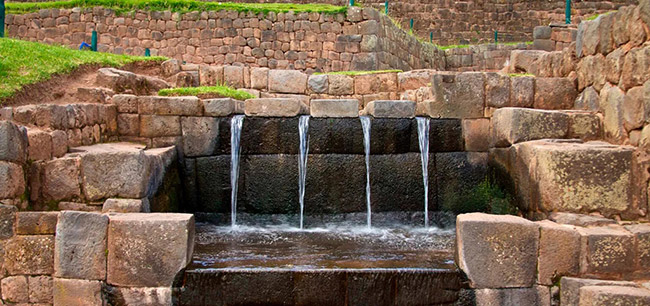
The drainage system was so effective that it prevented erosion despite heavy rainfall—a remarkable achievement in mountain engineering.
Mysteries and Unanswered Questions
Despite extensive research, many mysteries remain:
- What was Machu Picchu’s exact purpose?
- Why was it abandoned so suddenly?
- How did the Incas transport massive stones across rugged terrain?
These unanswered questions continue to fuel fascination and academic debate.
Machu Picchu in Modern Times
UNESCO and Global Recognition
In 1983, Machu Picchu was designated a UNESCO World Heritage Site. In 2007, it was named one of the New Seven Wonders of the World, further cementing its global importance.
Tourism and Conservation
Machu Picchu attracts over one million visitors annually. To protect the site, Peru has implemented strict regulations on visitor numbers, hiking routes, and conservation practices.
Sustainable tourism remains a major challenge, balancing global interest with preservation.
Machu Picchu Map
Cultural Legacy
Machu Picchu stands as a testament to the ingenuity, spirituality, and resilience of the Inca civilization. It has become a symbol of Peruvian identity and indigenous heritage, inspiring pride and global respect.
Machu Picchu is far more than an ancient ruin—it is a masterpiece of human creativity and harmony with nature. Rising above the clouds, it tells the story of a civilization that mastered engineering, astronomy, and spiritual philosophy without modern technology. Even centuries after its abandonment, Machu Picchu continues to inspire awe, curiosity, and admiration, reminding humanity of what is possible when knowledge, belief, and nature exist in balance.
Sources
Britannica Encyclopedia, Machu Picchu | Inca Site, Peru
Smithsonian National Museum of Asian & Latin American History
National Geographic Society, Machu Picchu: Ancient City of the Incas
Peruvian Ministry of Culture, Official archaeological and conservation reports
UNESCO World Heritage Centre, Machu Picchu – World Heritage Site documentation

