
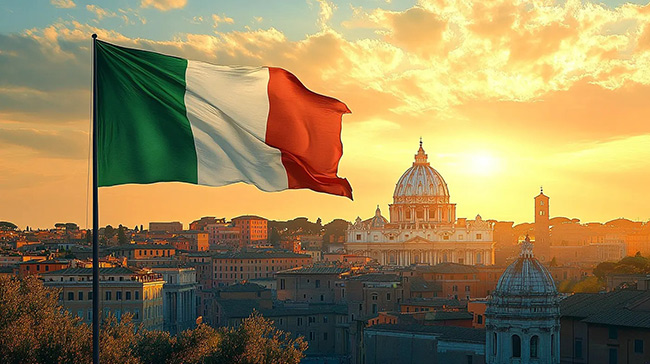
Italy: A Timeless Journey Through History, Art and Civilization
Italy is one of the most historically rich and culturally influential countries in the world. Located in Southern Europe, extending into the heart of the Mediterranean Sea, Italy has played a central role in shaping Western civilization. From the glory of the Roman Empire to the artistic brilliance of the Renaissance, and from ancient ruins to modern fashion capitals, Italy stands as a bridge between the ancient and modern worlds.
This article explores Italy’s geography, history, culture, politics, economy, religion, art, architecture, cuisine, and global influence, offering a complete overview of this remarkable nation.
Geography and Natural Landscape
Italy is a boot-shaped peninsula stretching into the Mediterranean Sea, bordered by France, Switzerland, Austria, and Slovenia to the north. It is surrounded by the Tyrrhenian Sea, Adriatic Sea, and Ionian Sea, making it a crucial maritime crossroads since ancient times.
Key Geographic Features:
The Alps: Form Italy’s northern boundary, including Mont Blanc, Europe’s highest peak.
The Apennine Mountains: Run like a spine through the entire peninsula.
Volcanic Regions: Italy has active volcanoes such as Mount Etna, Mount Vesuvius, and Stromboli.
Islands: Sicily and Sardinia are the two largest islands in the Mediterranean.
Italy’s varied geography has greatly influenced its regional cultures, agriculture, and historical development.
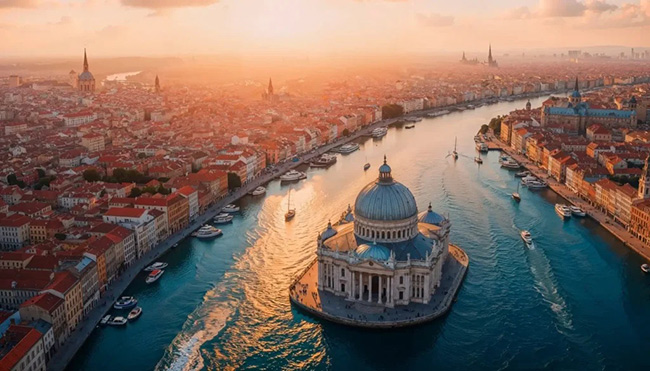
Early History and Ancient Civilizations
Pre-Roman Italy
Before Rome rose to power, Italy was home to diverse cultures:
Etruscans in central Italy.
Greek colonies in southern Italy (Magna Graecia).
Italic tribes such as the Latins, Samnites, and Umbrians.
The Etruscans, in particular, influenced Roman religion, architecture, and political organization.
The Rise of Rome
Rome was traditionally founded in 753 BCE. Over centuries, it evolved from a monarchy to a republic, and eventually into a vast empire.
The Roman Empire: Italy’s Greatest Legacy
The Roman Republic (509–27 BCE) expanded through military conquest, diplomacy, and governance. In 27 BCE, Augustus became the first Roman Emperor, marking the beginning of the Roman Empire.
Roman Contributions:
Law and legal systems, Engineering (roads, aqueducts, bridges), Architecture (arches, domes, concrete), Language (Latin, the root of Romance languages).
At its height, the Roman Empire stretched from Britain to North Africa and from Spain to the Middle East, with Italy as its political and cultural heart.
Fall of Rome and the Middle Ages
The Western Roman Empire collapsed in 476 CE, leading to centuries of political fragmentation.
Medieval Italy:
Invasions by Goths, Lombards, and Franks.
Rise of powerful city-states like Venice, Florence, Genoa, and Milan.
Strong influence of the Catholic Church and the Papacy in Rome.
Despite instability, medieval Italy became a center of trade, banking, and learning.
The Renaissance: Italy Reawakens Europe
Italy was the birthplace of the Renaissance (14th–17th centuries), a cultural movement that revived classical learning and transformed Europe.
Major Renaissance Cities:
Florence – cradle of Renaissance art.
Rome – center of religious and artistic patronage.
Venice – hub of commerce and culture.
Legendary Figures:
Leonardo da Vinci, Michelangelo, Raphael, Dante Alighieri,Galileo Galilei.
The Renaissance reshaped art, science, philosophy, and politics, leaving a permanent global impact.
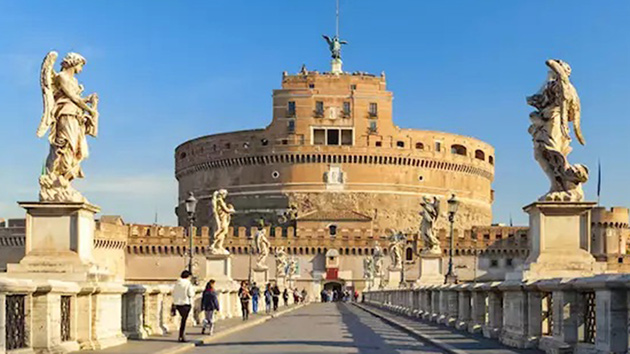
Modern History and Unification
Fragmentation and Foreign Rule: For centuries, Italy remained divided and influenced by foreign powers such as Spain, Austria, and France.
Italian Unification (Risorgimento): In 1861, Italy was unified into a single nation under King Victor Emmanuel II, led by figures like: Giuseppe Garibaldi, Count Camillo di Cavour.
20th Century:
Italy fought in World War I.
Under Benito Mussolini, Italy became a fascist state (1922–1943).
After World War II, Italy became a republic in 1946.
Political System and Government
Italy is a parliamentary republic.
Key Features:
President as Head of State.
Prime Minister as Head of Government.
Bicameral Parliament (Chamber of Deputies and Senate).
Italy is a founding member of: European Union (EU), NATO, United Nations.
Italian Culture and Society
Language
Italian, derived from Latin, is the official language. Regional dialects remain strong.
Family and Social Life
Family plays a central role in Italian society, emphasizing close relationships, tradition, and respect for elders.
Festivals and Traditions
Carnival of Venice, Palio di Siena, Easter and Christmas celebrations.
Religion and the Vatican
Italy is predominantly Roman Catholic, and Rome hosts Vatican City, the smallest independent state in the world.
The Vatican is the spiritual center of Catholicism and residence of the Pope.
Art, Architecture, and Heritage
Italy has the largest number of UNESCO World Heritage Sites in the world.
Architectural Wonders: Colosseum, Roman Forum, Pantheon, Leaning Tower of Pisa, Florence Cathedral, St. Peter’s Basilica.
Italian art spans from ancient Roman sculpture to modern design and cinema.
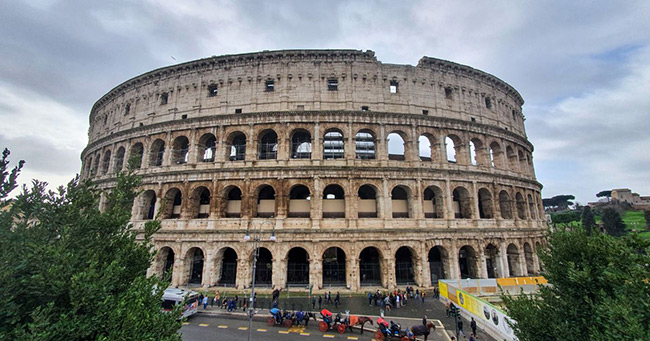
Italian Cuisine: A Global Favorite
Italian food is celebrated worldwide for its simplicity and regional diversity.
Famous Dishes: Pizza (Naples), Pasta varieties (carbonara, lasagna, spaghetti), Risotto, Gelato, Olive oil and wine.
Each region has distinct culinary traditions shaped by geography and history.
Economy and Industry
Italy has the third-largest economy in the Eurozone.
Major Economic Sectors: Manufacturing (automobiles, machinery), Fashion and luxury goods, Tourism, Agriculture (wine, olives, cheese). Brands like Ferrari, Gucci, Prada, Armani, and Fiat reflect Italy’s global influence.
Education and Science
Italy hosts some of the world’s oldest universities, including: University of Bologna (founded 1088), University of Padua.
Italian scientists have contributed to astronomy, physics, medicine, and engineering.
Italy in the Modern World
Today, Italy balances tradition with modern challenges such as: Economic reform, Immigration, Cultural preservation, Environmental sustainability. Despite challenges, Italy remains a global symbol of beauty, creativity, and historical depth.
Italy is more than a country—it is a living museum of human civilization. Its landscapes, cities, art, and traditions tell the story of humanity’s greatest achievements and struggles. From the ruins of ancient Rome to the vibrant streets of modern Milan, Italy continues to inspire the world.
As a guardian of history and a creator of culture, Italy stands timeless—rooted in the past, alive in the present, and influential for the future.
Sources
BBC History The Roman Empire & Italian History
History.com Ancient Rome, Renaissance, and Modern Italy
UNESCO World Heritage Centre Italy World Heritage Sites
Encyclopaedia Britannica Italy – History, Geography & Culture
The Metropolitan Museum of Art – Heilbrunn Timeline Roman and Renaissance Art

