

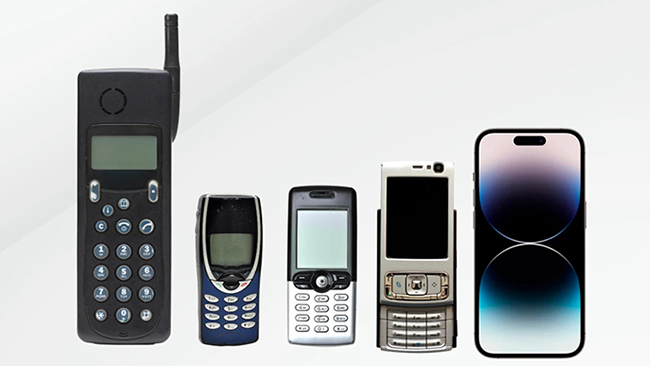
The Definitive History and Evolution of the Mobile Phone
In the span of just a few decades, the mobile phone has transitioned from a luxury “brick” used by elite businessmen to an indispensable remote control for modern life. It has disrupted industries, redefined social interaction, and bridged the global digital divide. This is the story of how we went from radio waves to the Metaverse.
The Pre-Cellular Era: The Seeds of Mobility (1940s–1970s)
Before the “cell” phone, there was the “mobile radio.”
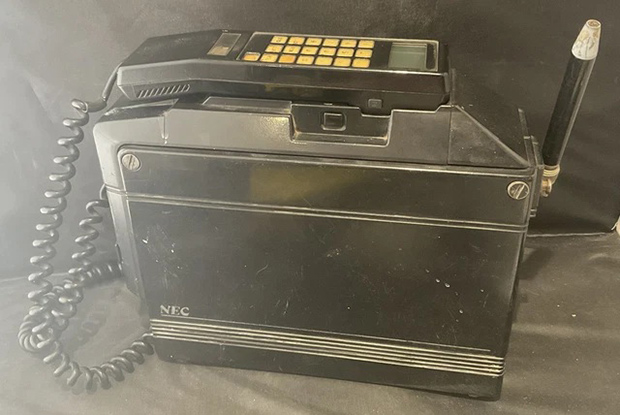
- The MTS (Mobile Telephone Service): Introduced in 1946, these were essentially high-powered walkie-talkies installed in cars. They weighed 80 pounds and required a manual operator to connect calls.
- The Spectrum Problem: Since only a few channels were available, users often had to wait hours just to get a dial tone.
- The Breakthrough: Bell Labs engineers proposed the “hexagonal cell” concept, where low-power transmitters handled calls in small areas (cells), allowing frequencies to be reused. This laid the mathematical foundation for everything we use today.
1G: The Analog Era (1980s)
The 1980s marked the birth of the commercial mobile phone. This generation was defined by Analog signals.
The First Call
On April 3, 1973, Motorola’s Martin Cooper stood on a New York City street and called his rival at Bell Labs using the Motorola DynaTAC 8000X. It wasn’t commercially released until 1983, retailing for nearly $4,000.
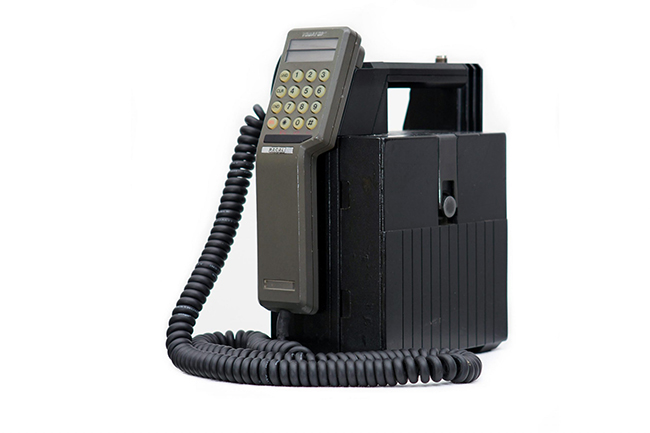
Key Characteristics of 1G:
- Voice Only: No texting, no internet.
- Poor Security: Because signals were analog, anyone with a radio scanner could eavesdrop on conversations.
- Low Battery Life: Talk time was measured in minutes, while charging took hours.
2G: The Digital Shift and the Rise of SMS (1990s)
If 1G was the “infancy” of mobile, 2G was its “adolescence.” In the early 90s, the shift from analog to Digital (GSM and CDMA) changed everything.
The Birth of the “Nokia Era”
Nokia became a household name. Devices like the Nokia 3310 became legendary for their durability and the introduction of mobile gaming (Snake).
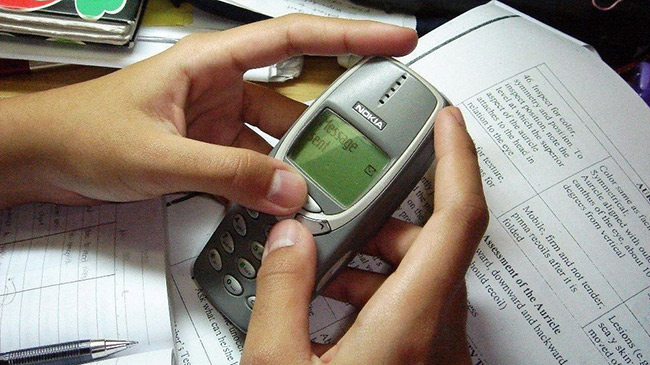
The SMS Revolution
In 1992, the first “Merry Christmas” text message was sent. 2G introduced:
- Short Message Service (SMS): A new way to communicate without talking.
- Privacy: Digital encryption made calls much more secure.
- Portability: Phones became small enough to fit in a pocket, not just a briefcase.
3G: The Dawn of the Mobile Internet (2000s)
By the early 2000s, the world wanted more than just voice and text. We wanted data.
The Blackberry Phenomenon
Before the iPhone, the Blackberry was the king of the corporate world. It introduced “Push Email,” making the mobile phone an essential productivity tool.
The iPhone Moment (2007)
Steve Jobs changed the trajectory of human history by combining three products: a widescreen iPod with touch controls, a revolutionary mobile phone, and a breakthrough internet communications device.
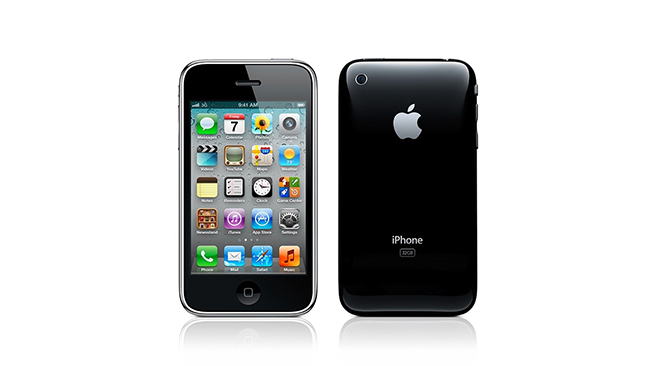
- The App Store: This turned the phone into a platform. Suddenly, your phone was a flashlight, a map, a bank, and a camera.
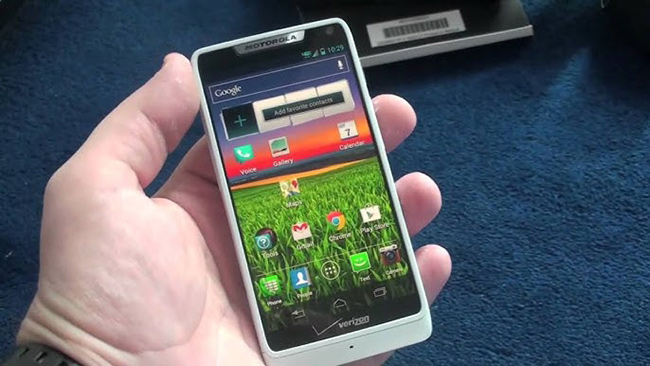
4G LTE: The Era of Streaming and Apps (2010s)
4G was built for speed. It turned the mobile phone into a media powerhouse.
- The Death of Cable: With speeds fast enough for HD video, YouTube, Netflix, and TikTok exploded.
- The Gig Economy: Apps like Uber, Airbnb, and Instacart were only possible because 4G provided constant, high-speed GPS and data connectivity.
- Social Media Dominance: Instagram and Snapchat thrived in an era where uploading high-res photos was instantaneous.
5G and Beyond: The Hyper-Connected World (2020s)
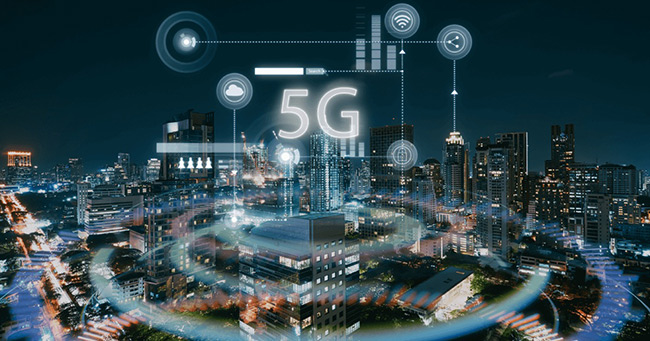
We are currently in the 5G era. This isn’t just about faster phones; it’s about the Internet of Things (IoT).
- Low Latency: 5G allows for near-instant communication, enabling remote surgery and autonomous vehicles.
- Massive Connectivity: A 5G tower can handle millions of devices per square kilometer, connecting our fridges, streetlights, and wearable health monitors.
- The Hardware Evolution: Foldable screens (Samsung Z Fold/Flip) are challenging the “black slab” design that dominated for 15 years.
The Future: 6G and AI Integration
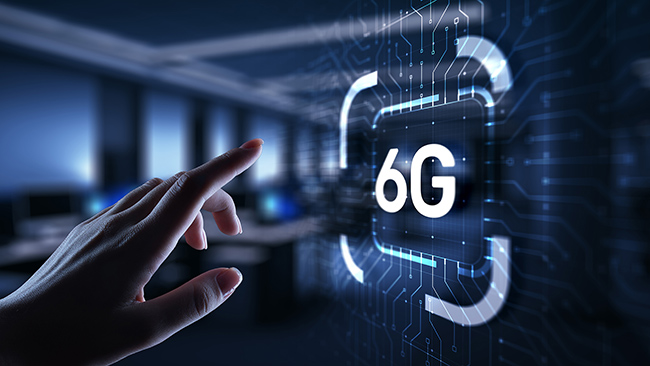
What comes next? Industry experts are already looking toward 2030 and 6G.
- Holographic Communication: 3D video calling that feels like the person is in the room.
- AI-Native Devices: Phones that don’t just run apps but act as proactive personal assistants using on-device Large Language Models (LLMs).
- Brain-Computer Interfaces: A future where “mobile” technology might move from our pockets to our vision (AR glasses) or even our neural pathways.
Summary Table: Mobile Evolution at a Glance
| Generation | Decade | Primary Technology | Key Feature |
| 1G | 1980s | Analog | Portable Voice |
| 2G | 1990s | Digital (GSM) | SMS & Roaming |
| 3G | 2000s | Mobile Data | Web Browsing |
| 4G | 2010s | LTE | Video Streaming/Apps |
| 5G | 2020s | mmWave/Sub-6 | IoT & Ultra-Low Latency |
The evolution of mobile technology is far more than a timeline of gadgets and faster networks; it is a testament to humanity’s relentless pursuit of connection. From the bulky analog “bricks” of the 1980s to the AI-driven, hyper-connected devices of today, the mobile phone has fundamentally rewritten the rules of social interaction, commerce, and global communication.
It has successfully bridged the digital divide, turning once-stagnant economies into thriving hubs of mobile-first innovation. As we stand on the threshold of the 6G era and witness the seamless integration of Augmented Reality and Artificial Intelligence, the boundaries between the physical and digital worlds continue to blur.
Looking back, we see a journey defined by the democratization of information, where power was moved from massive mainframes into the palms of billions. The story of the mobile phone is not yet complete, it is an ongoing revolution that continues to shrink our world while expanding our possibilities.
As we move forward, the device in your pocket remains the most significant artifact of the 21st century—a symbol of our collective desire to stay reachable, anytime and anywhere.
Sources
Ericsson Technology Review
The Smithsonian Institution
Nokia Museum / Microsoft Archives
ITU (International Telecommunication Union)

