

Christ the Redeemer Brazil: History, Architecture and Symbolism
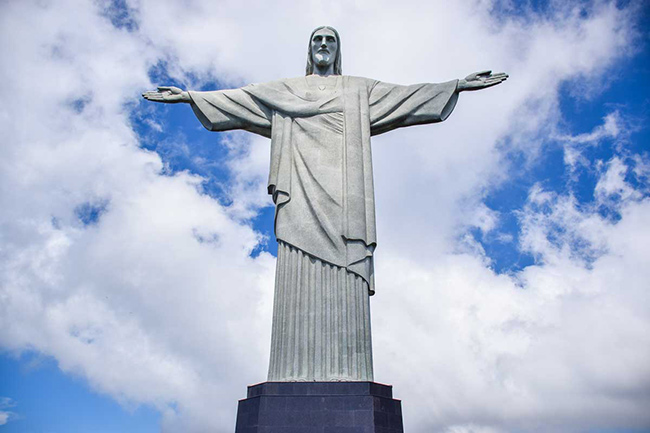
Standing majestically atop the Corcovado Mountain in Rio de Janeiro, Christ the Redeemer (Cristo Redentor) is one of the most recognizable monuments on Earth. With arms outstretched over the vibrant city below, the colossal statue has become a universal symbol of peace, Christianity, Brazilian identity, and human artistic achievement.
Towering above forests, beaches, and urban life, Christ the Redeemer is not only a religious icon but also a cultural, historical, and architectural marvel that attracts millions of visitors from around the world every year.
Completed in 1931, the statue represents a remarkable fusion of faith, engineering, and art. It reflects Brazil’s deep-rooted Catholic heritage while simultaneously standing as a symbol of unity and welcome for people of all cultures and beliefs.
Today, Christ the Redeemer is celebrated as one of the New Seven Wonders of the World, cementing its status as a global monument of enduring significance.
Geographical Setting and Location
Christ the Redeemer is located in Rio de Janeiro, Brazil’s second-largest city, perched at the summit of Corcovado Mountain, which rises approximately 710 meters (2,330 feet) above sea level. The mountain is part of the Tijuca National Park, the world’s largest urban rainforest.
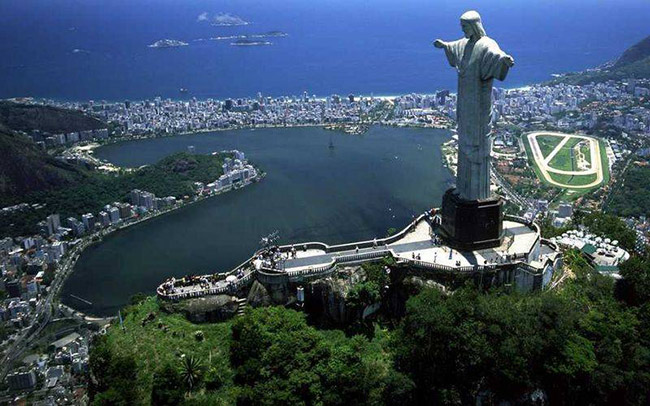
From its vantage point, the statue offers panoramic views of some of Rio’s most iconic landmarks, including:
- Guanabara Bay
- Sugarloaf Mountain
- Copacabana and Ipanema beaches
- Maracanã Stadium
- The sprawling urban landscape of Rio de Janeiro
The strategic location ensures that the statue is visible from almost every part of the city, reinforcing its role as a watchful guardian over Rio.
Historical Background
Early Ideas and Religious Motivation
The idea of constructing a Christian monument in Rio de Janeiro dates back to the mid-19th century. Initially, proposals suggested erecting a statue honoring Princess Isabel, the daughter of Emperor Pedro II.
However, these plans were abandoned following Brazil’s transition from monarchy to a republic in 1889, which introduced a formal separation between church and state.
The concept was revived in the 1920s, fueled by growing concerns among Catholic leaders about declining religious influence in Brazilian society. In 1921, the Catholic Circle of Rio organized a nationwide fundraising campaign known as the “Week of the Monument”, inviting donations from citizens across the country.
Design and Artistic Vision
Conceptualization
The final design was conceived by Brazilian engineer Heitor da Silva Costa, who envisioned a massive Christ figure with arms extended in a gesture of peace and protection. This posture was deliberately chosen to symbolize embrace, forgiveness, and divine love rather than authority or judgment.
Artistic Collaboration
Several key figures contributed to the statue’s creation:
- Heitor da Silva Costa – Chief engineer and designer
- Carlos Oswald – Artist who helped refine the statue’s form
- Paul Landowski – Polish-French sculptor responsible for sculpting the head and hands
- Albert Caquot – French structural engineer who assisted with internal design
The collaboration between Brazilian and European artists resulted in a statue that seamlessly blends Art Deco aesthetics with classical religious symbolism.
Construction and Engineering Feat
Materials Used
The statue is primarily constructed from reinforced concrete, chosen for its strength and durability. The outer surface is covered with over six million triangular soapstone tiles, selected for their resistance to heat, wind, and rain.
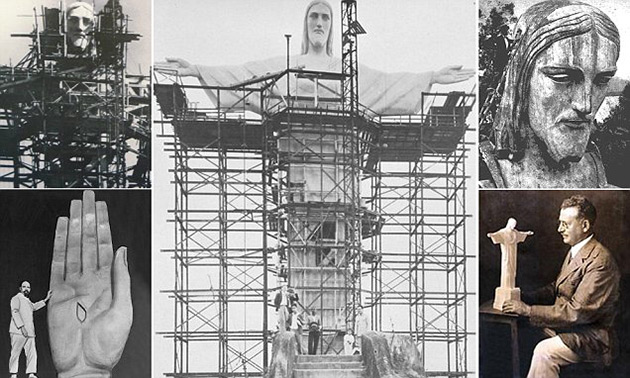
Soapstone also offers a smooth, luminous appearance, giving the statue its soft gray tone that subtly changes with the light.
Construction Timeline
- 1922 – Construction officially began
- 1926–1931 – Assembly of the statue’s components
- October 12, 1931 – Official inauguration
Due to the remote and elevated location, many parts of the statue were prefabricated in France and shipped to Brazil before being transported up Corcovado Mountain by railway.
Dimensions and Specifications
Christ the Redeemer is monumental in scale:
- Total height: 38 meters (125 feet)
- Statue height (excluding pedestal): 30 meters (98 feet)
- Pedestal height: 8 meters (26 feet)
- Arm span: 28 meters (92 feet)
- Weight: Approximately 635 metric tons
Despite its massive size, the statue maintains elegant proportions, contributing to its timeless aesthetic appeal.
Symbolism and Religious Significance
Christ the Redeemer is deeply rooted in Christian symbolism. The outstretched arms represent:
- Christ’s unconditional love for humanity
- A gesture of welcome and protection
- The idea of spiritual embrace over the city and its people
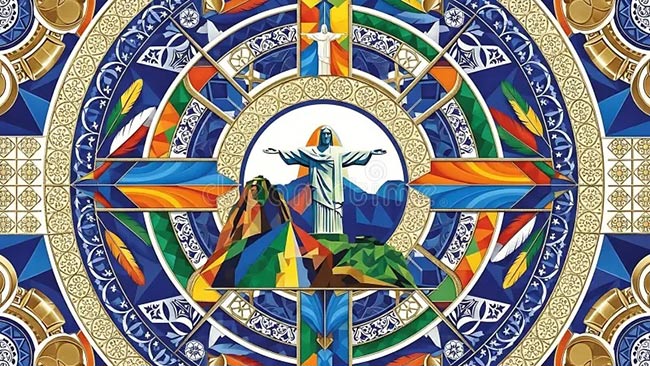
For Brazilian Catholics, the statue serves as a powerful reminder of faith, hope, and redemption. For others, it has come to symbolize peace, unity, and cultural harmony, transcending its strictly religious origins.
Role in Brazilian Culture
Over the decades, Christ the Redeemer has evolved into a national symbol of Brazil. It frequently appears in:
- Films and documentaries
- International sporting events
- Tourism campaigns
- Political and humanitarian messages
The statue is often illuminated in different colors to mark global events, such as:
- Green and yellow for national celebrations
- Red for health awareness campaigns
- Blue and white for peace initiatives
This adaptability has helped the monument remain relevant in contemporary global discourse.
Recognition as a World Wonder
In 2007, Christ the Redeemer was named one of the New Seven Wonders of the World following a global vote organized by the New7Wonders Foundation. This recognition significantly boosted international interest and solidified the statue’s place among humanity’s greatest achievements.
Tourism and Visitor Experience
Access to the Statue
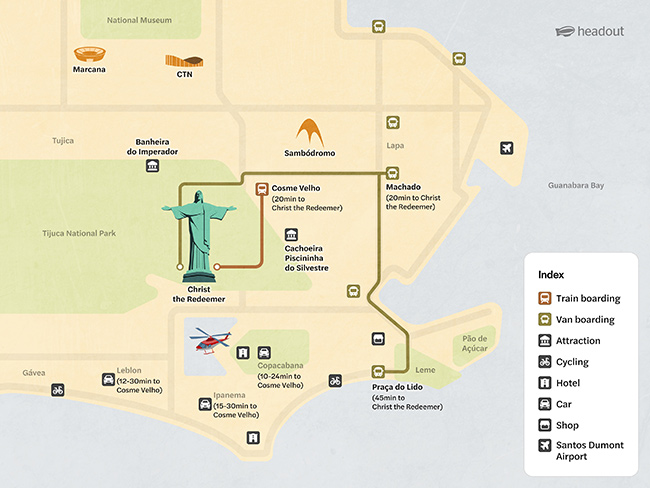
Visitors can reach Christ the Redeemer through several means:
- Cog train through Tijuca National Park
- Vans and shuttle services
- Hiking trails for adventurous travelers
Modern elevators and escalators now provide easier access to the viewing platforms near the statue.
Visitor Numbers
Christ the Redeemer attracts over 2 million visitors annually, making it one of South America’s most visited landmarks.
Preservation and Restoration Efforts
Due to exposure to lightning, wind, and heavy rain, the statue requires regular maintenance. Major restoration campaigns took place in:
- 1980 – Prior to Pope John Paul II’s visit
- 2010 – Extensive repairs and cleaning
- 2021 – Centennial restoration marking 100 years since construction began
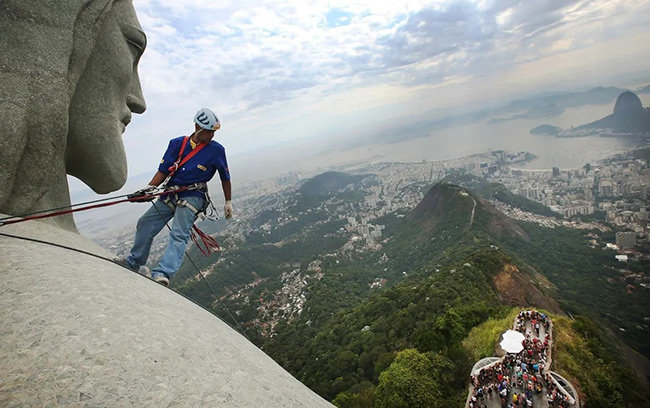
Interestingly, the original soapstone quarry was depleted decades ago, making restoration a delicate process that requires careful sourcing of matching material.
Environmental and Natural Context
Surrounded by the lush Tijuca Forest, the statue exists within a rich ecological environment home to:
- Tropical birds
- Monkeys and small mammals
- Dense Atlantic rainforest vegetation
The juxtaposition of monumental architecture and natural beauty enhances the statue’s visual and emotional impact.
Global Influence and Legacy
Christ the Redeemer has inspired numerous replicas worldwide, including statues in:
- Portugal
- Bolivia
- Vietnam
- Poland
Its image has become universally associated with Brazil, much like the Eiffel Tower with France or the Statue of Liberty with the United States.
Modern Interpretations and Media Presence
In the digital age, Christ the Redeemer continues to evolve as a symbol. It has appeared in:
- Social media campaigns
- Virtual tours
- International broadcasts
Drone photography and nighttime illumination have further enhanced its global visibility, introducing the monument to new generations.
Christ the Redeemer Map
Christ the Redeemer is far more than a statue—it is a masterpiece of human creativity, a beacon of faith, and a symbol of unity that transcends borders and beliefs. Rising above Rio de Janeiro with open arms, it reflects humanity’s enduring desire to connect the spiritual with the earthly, art with engineering, and history with modern life.
Nearly a century after its completion, Christ the Redeemer continues to inspire awe, offering a powerful reminder that monuments, when built with vision and purpose, can speak to the soul of the world.
Sources
National Geographic – Cultural impact, geography, and visual documentation
UNESCO World Heritage Centre – For cultural significance and global recognition
Encyclopaedia Britannica – Scholarly overview of history, design, and symbolism
Art Deco Architecture Studies & Journals – Artistic style and architectural analysis
New7Wonders Foundation – Recognition as one of the New Seven Wonders of the World

